Frieze 2025
Postcard from Here
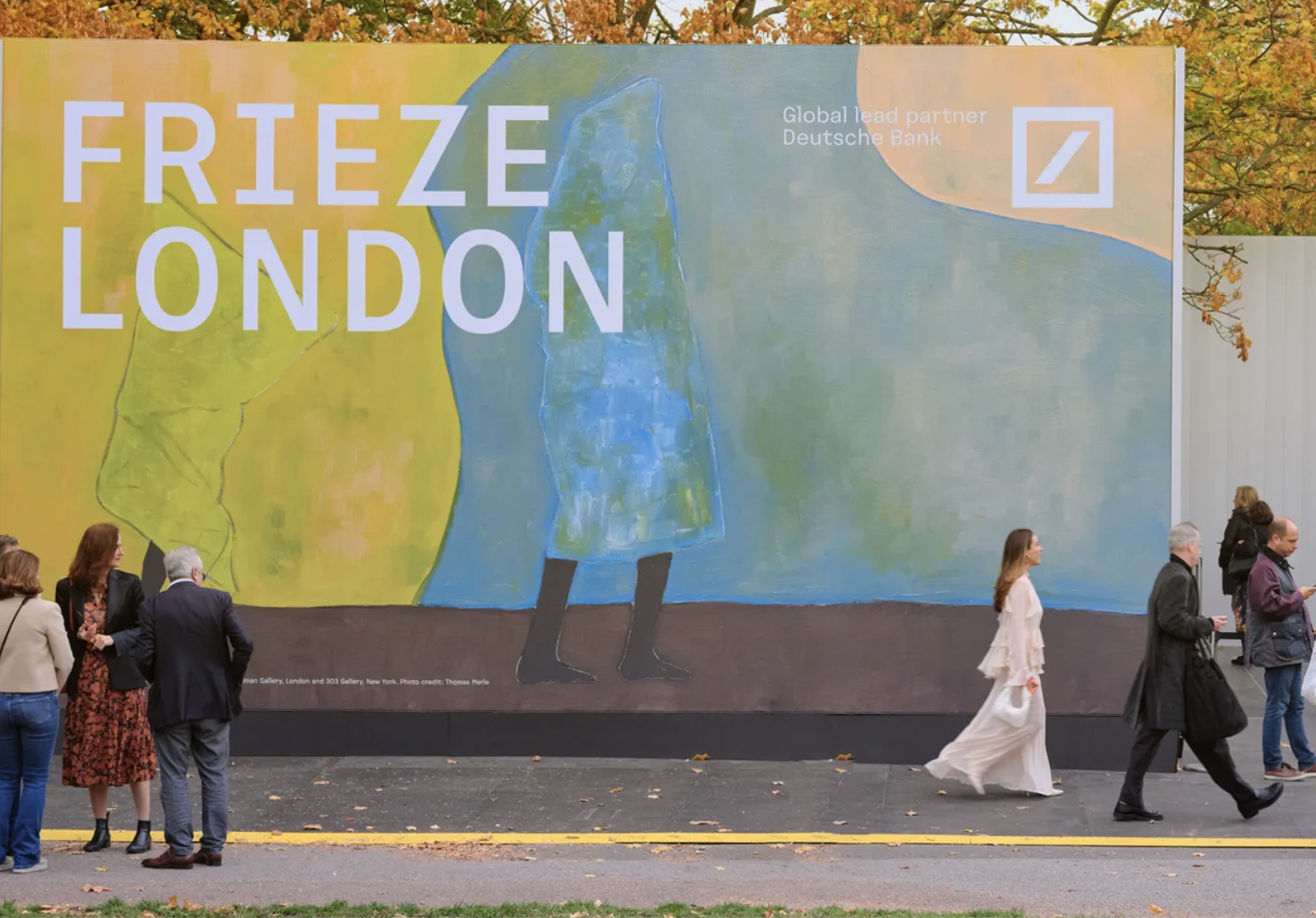
There are many fixed points in the international art calendar, and Frieze has become one of the most significant. It is easy to forget that when the first Frieze Art Fair opened in London in 2003, it was very much the new boy on the block. Founded by Amanda Sharp and Matthew Slotover, who had established frieze magazine in 1991, the fair has grown over the last twenty-two years into an international organisation, with editions in London, New York, Los Angeles and Seoul, alongside Frieze Masters and the annual Frieze Sculpture programme in Regent’s Park.
Art fairs have become an intrinsic part of the commercial art world. They are marketplaces, obviously, but they have also become meeting places: for collectors, curators, gallery directors, artists, writers and everyone else who moves through this strange international ecosystem. For a few days, an extraordinary number of people occupy the same place at the same time.
Frieze London and Frieze Masters attract somewhere in the region of 85,000 to 90,000 visitors. That number in itself creates momentum. It means that Frieze is no longer simply what happens inside the tents in Regent’s Park. It creates a period in London when galleries open exhibitions, museums programme events, talks and discussions take place, satellite fairs appear and smaller organisations find ways of attracting some of those thousands of people who have arrived in the city.
In that sense, Frieze has become a kind of temporary cultural infrastructure. The commercial fair provides the gravitational centre, but much of what makes the week interesting happens around it.
Inside the fair itself, the experience is inevitably more complicated.
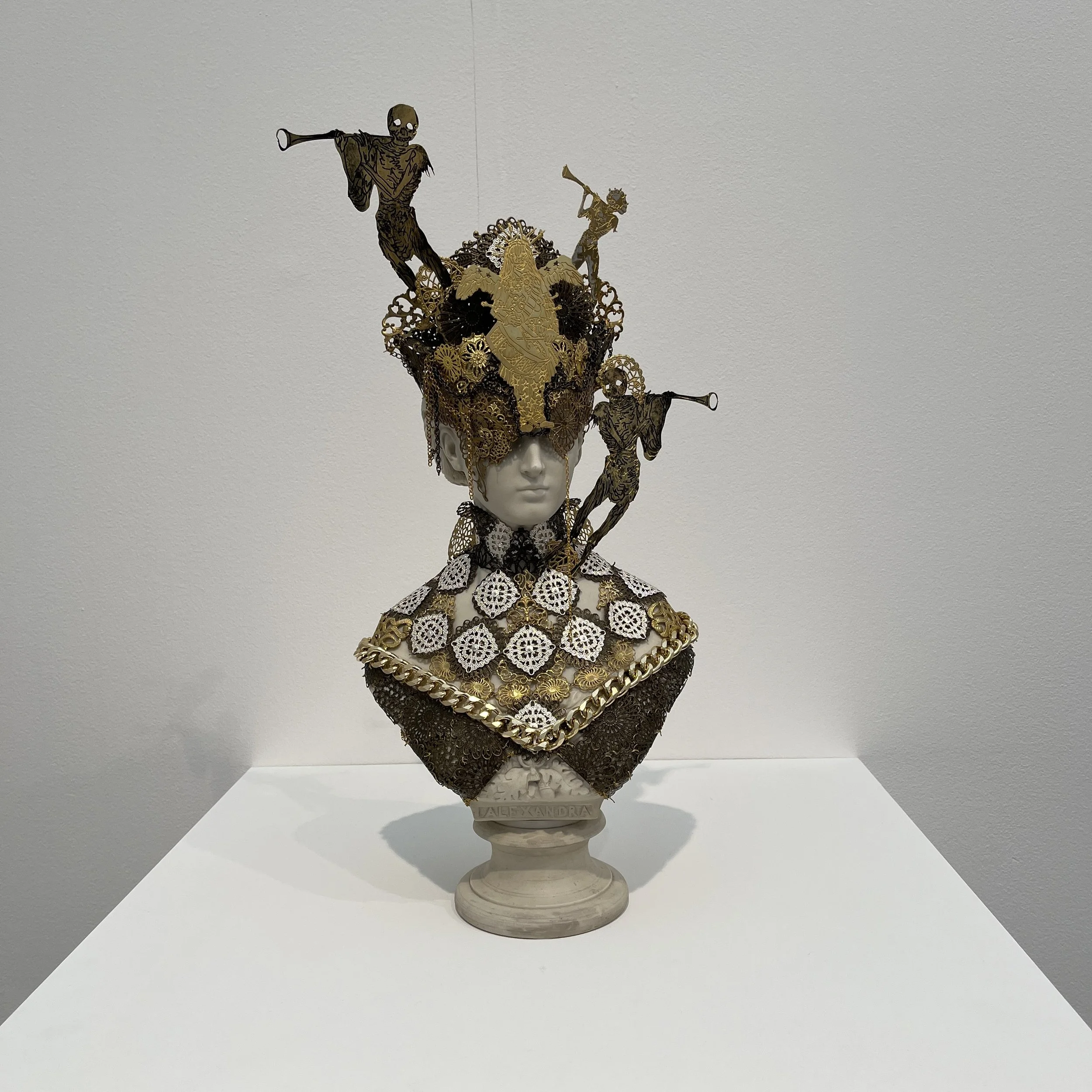
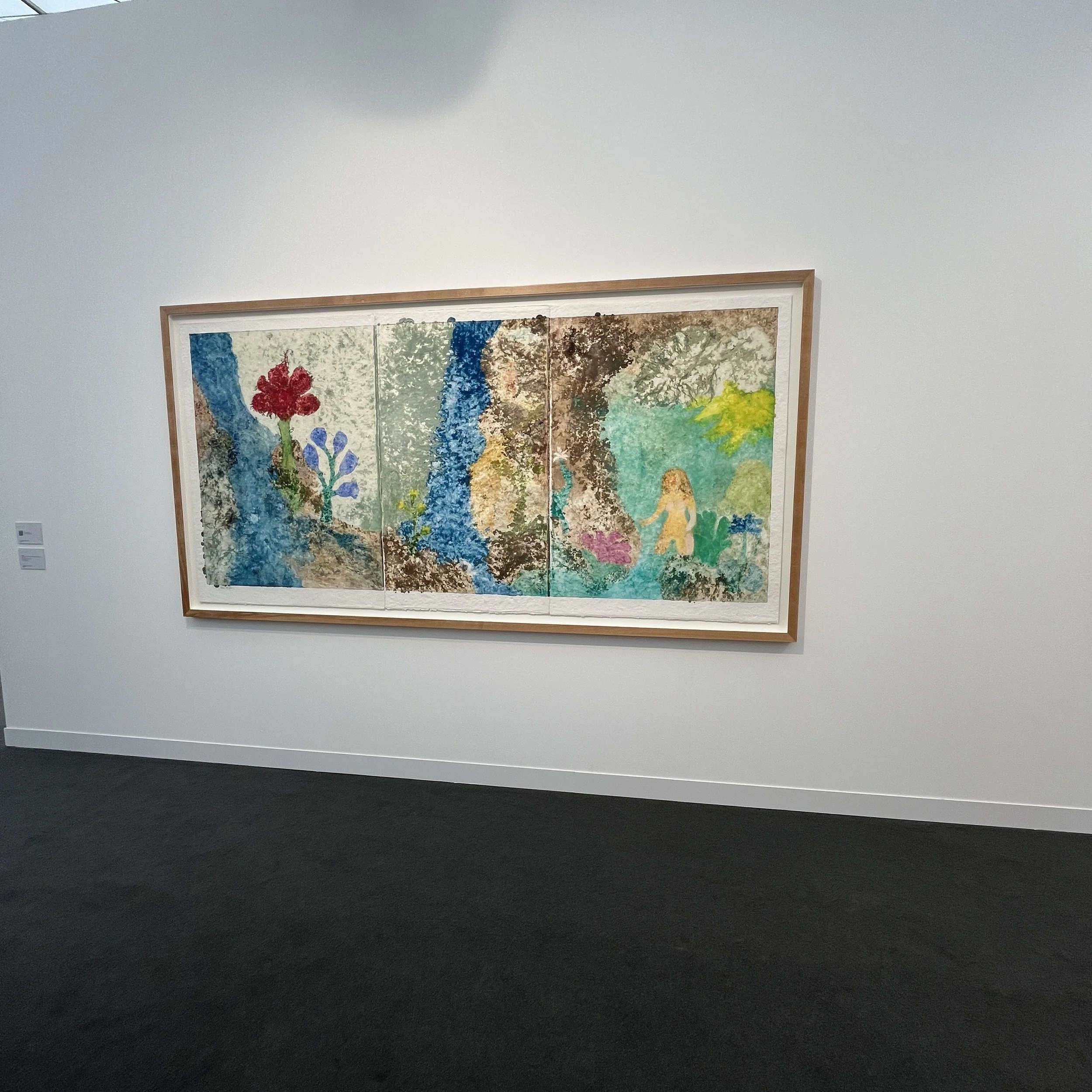
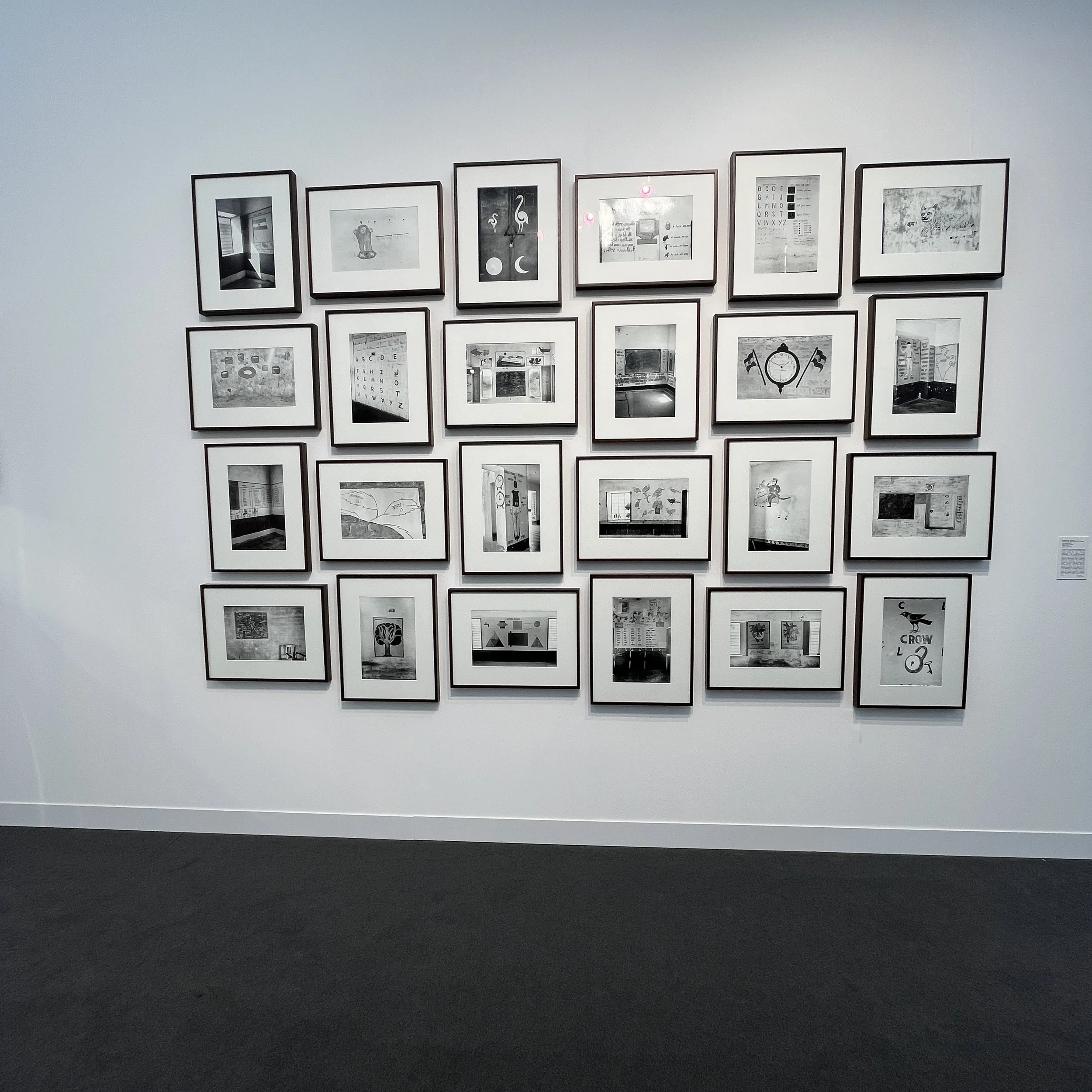
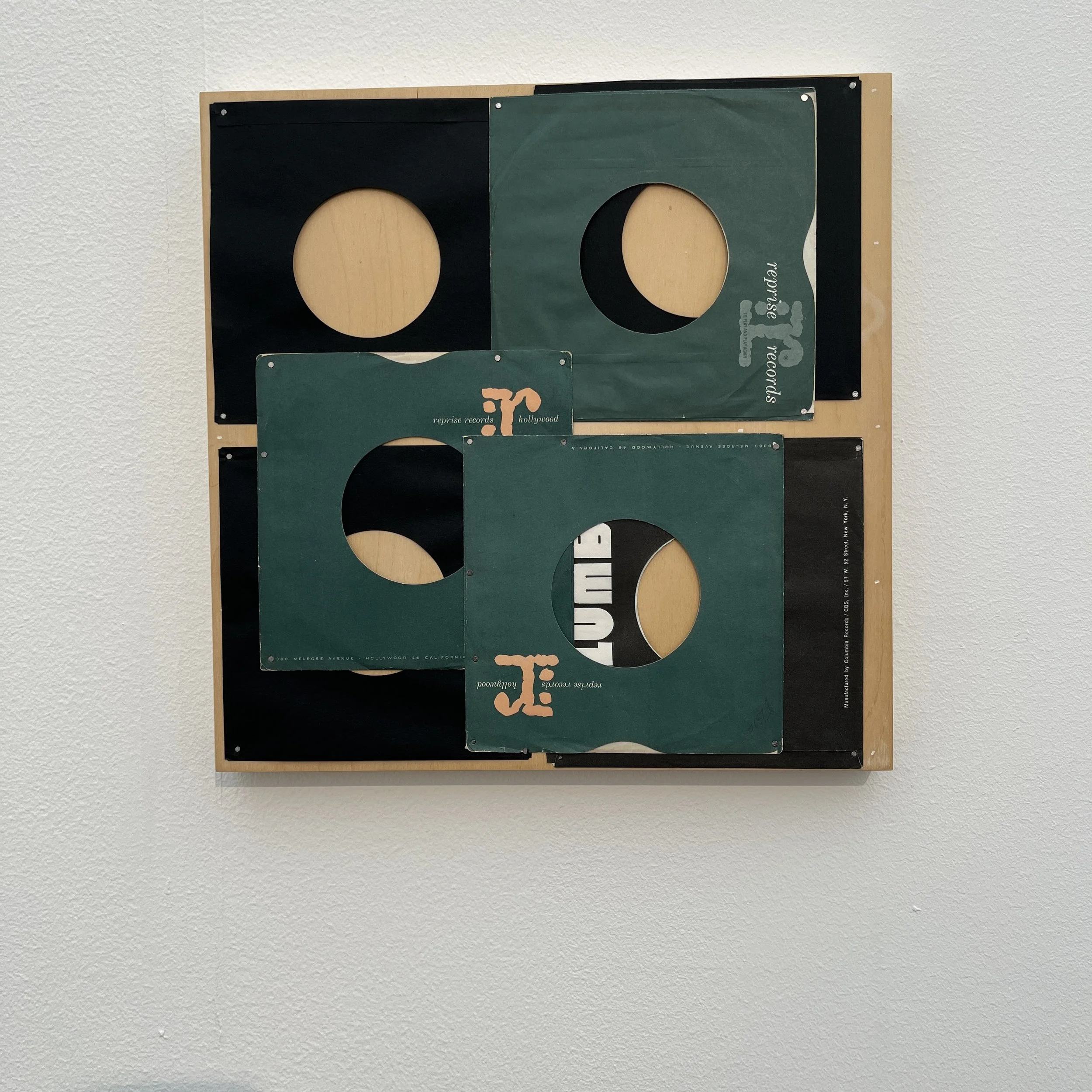
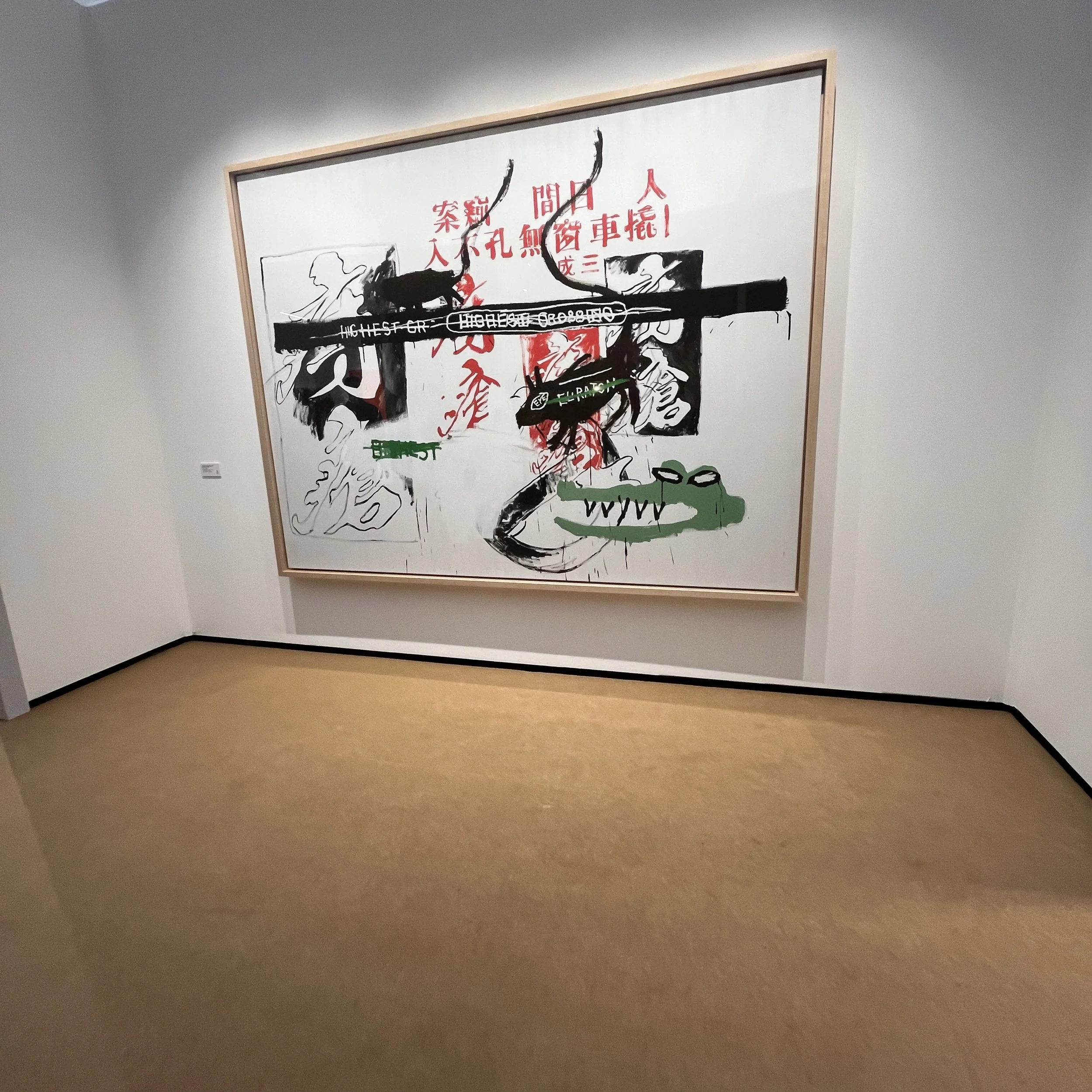
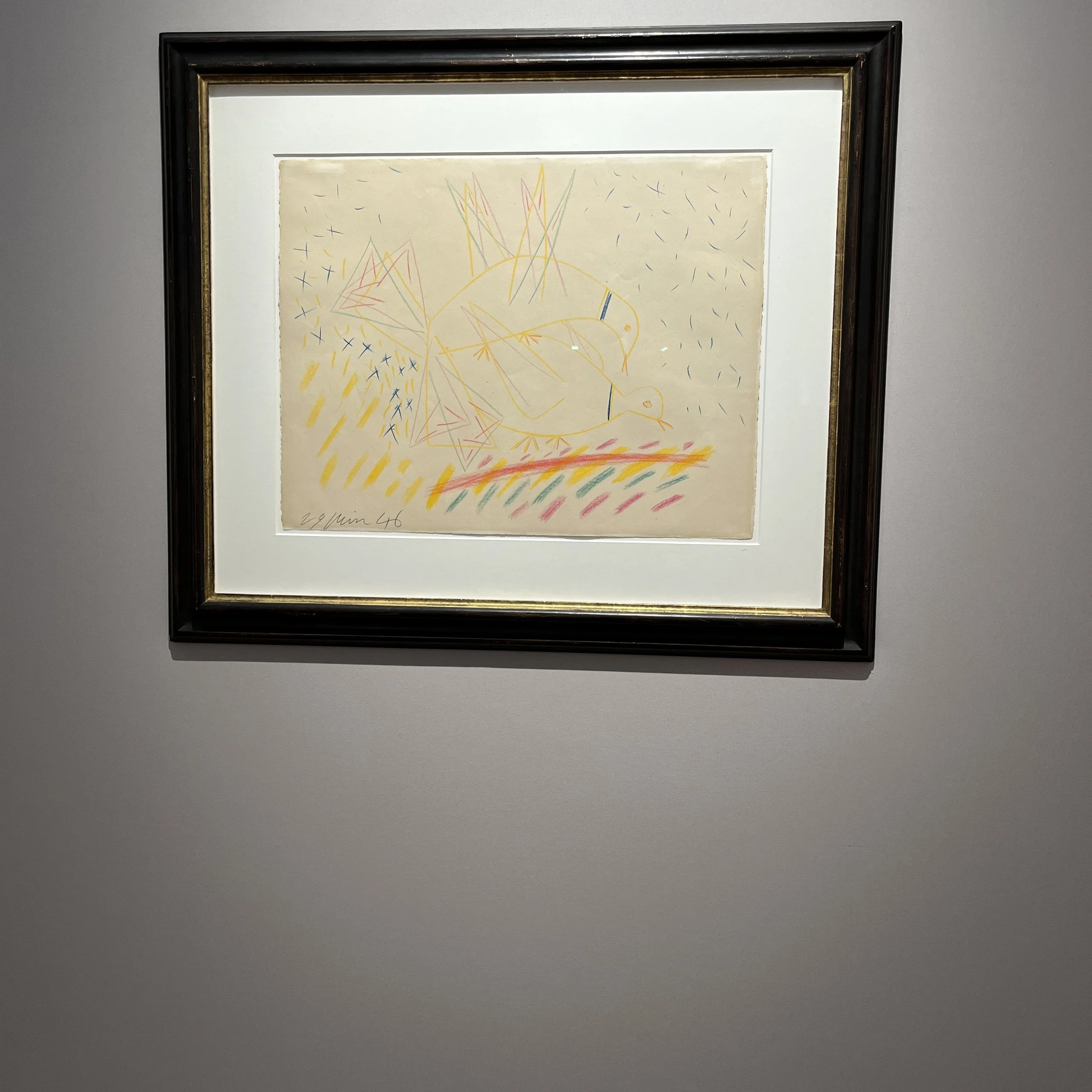
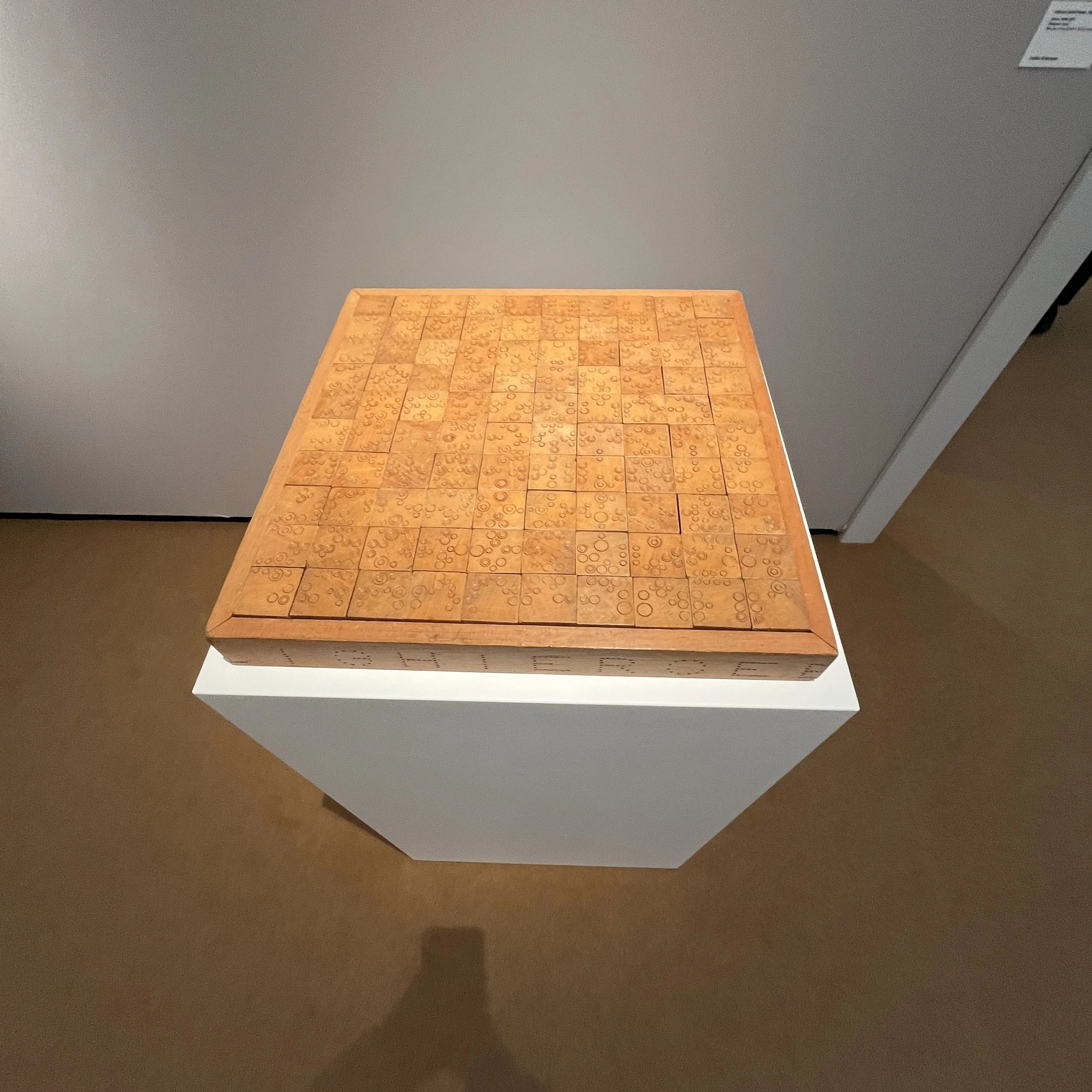
One of the useful things about an art fair is that it allows you to sample an enormous amount of work in a remarkably compressed period of time. Galleries from different countries bring the artists they believe are important, interesting, collectable or relevant at that particular moment. Walking through the fair therefore gives you a snapshot of what is happening within a particular section of the international art world.
It doesn't mean that everything is good. It doesn't mean that everything is bad. And it certainly doesn't mean that what you see at Frieze represents contemporary art as a whole.
What we see has already passed through a series of filters. Artists are selected by galleries, galleries are selected by the fair, and galleries then have to decide what work to bring with them. Inevitably, the peculiar conditions of an art fair begin to influence those choices.
There is, perhaps, such a thing as "art-fair art."
A work has to survive among hundreds of other works, competing galleries and thousands of people moving past it. Some work operates extremely well under those conditions. Other work needs time, silence, duration or context and is inevitably more difficult to encounter in an environment in which you are constantly being pulled towards the next thing.
Sometimes you also begin to notice the same artists appearing on different stands. This is something particularly noticeable at fairs such as Photo London, but it happens at Frieze as well. It becomes an interesting indicator of where galleries collectively believe attention — and the market — is moving.
The art fair therefore operates simultaneously as marketplace and barometer.
It doesn't necessarily tell us what the best art being made today is, but it can tell us a great deal about what a particular part of the art world currently values, what galleries think collectors are looking for and, perhaps more interestingly, where tastes might be shifting.
But for me, the importance of Frieze increasingly extends beyond the question of what is hanging on the walls of the individual stands.
Frieze Sculpture, for example, has become an important event in its own right. In 2025 it returned to Regent’s Park as a free public exhibition, extending the fair beyond the paying audience and into the city. Around it is an even larger network of exhibitions, performances, talks, dinners, meetings and temporary projects.
For smaller galleries and independent organisations, many of whom could never afford — or might not even want — a stand at Frieze, those thousands of visitors represent an opportunity. They know that for a brief period an unusually large part of the international art world is in London, and they respond to it.
Perhaps this is ultimately what Frieze has become.
What began in 2003 as a new art fair has become one of the moments in the year when the international art world temporarily converges on a city. It brings money and commerce with it, certainly, but it also brings people, conversations, arguments, discoveries and encounters.
There is an energy around it.
You don't have to believe that everything inside Frieze is important, or even particularly interesting, to recognise the importance of that energy. For a few days galleries, museums, artists, curators, collectors and independent organisations become part of the same extended conversation.
And perhaps that is now as important as the fair itself.